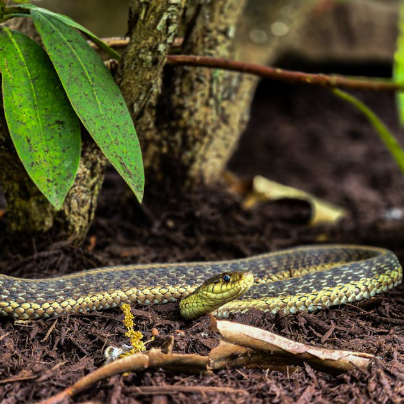
7 Smells Snakes Hate and How to Use Them Around Your Home
Finding a snake near your home or garden can be unsettling for many homeowners. While most snakes are harmless and even helpful for controlling pests like rodents, many people prefer to keep them away from living spaces, patios, sheds, and yards.
One popular natural approach involves using strong scents that snakes are believed to dislike. Although smells alone may not completely guarantee snake prevention, certain odors may help discourage snakes from entering specific areas when combined with proper yard maintenance and pest control.
In this article, we explore seven commonly discussed smells snakes may avoid, how to use them safely around your home, and additional practical tips for reducing the chances of snake encounters.
Why Snakes Enter Residential Areas
Before focusing on repellents, it helps to understand why snakes appear near homes in the first place.
Snakes are usually attracted by:
- Food sources such as rodents or insects
- Shelter and hiding spots
- Cool, shaded areas
- Water sources
- Tall grass or debris piles
Reducing these attractions is often the most effective long-term solution.
Do Smells Really Repel Snakes?
Scientific evidence regarding scent-based snake repellents is mixed.
Some strong odors may temporarily discourage certain snakes, but effectiveness can vary depending on:
- Snake species
- Weather conditions
- Concentration of scent
- Surrounding environment
Natural repellents generally work best as part of a broader prevention strategy rather than a guaranteed solution.
1. Cinnamon Oil
Cinnamon has a strong aroma that some people use as a natural snake deterrent.
How to Use It
- Mix cinnamon essential oil with water
- Spray around entry points
- Apply near garages, sheds, or patios
Avoid spraying directly on plants that may be sensitive to oils.
2. Clove Oil
Clove oil is another commonly mentioned natural snake repellent.
Its powerful smell may irritate snakes and encourage them to move away from treated areas.
Application Tips
- Dilute with water before use
- Spray lightly around foundations
- Reapply after rain
Essential oils should be used carefully around pets and children.
3. Garlic
Many people believe snakes dislike the strong sulfur compounds released by garlic.
Ways to Use Garlic
- Crush garlic cloves around garden borders
- Combine garlic with rock salt for outdoor use
- Use garlic-based sprays
Garlic may also help repel some insects.
4. Onion
Onions contain sulfur compounds similar to garlic.
Some homeowners place onion slices in areas where snakes may hide.
Best Areas for Placement
- Near sheds
- Around woodpiles
- Garden edges
- Crawl spaces
Replace onions regularly as the smell fades.
5. Vinegar
Vinegar’s strong acidic smell may discourage snakes in some situations.
Common Uses
- Around pool edges
- Along pathways
- Near entry areas
Avoid excessive use on delicate plants or natural stone surfaces.
6. Ammonia
Some people use ammonia-soaked rags as a snake deterrent because of its intense smell.
Important Safety Note
Ammonia should be handled carefully and kept away from:
- Children
- Pets
- Food preparation areas
Avoid mixing ammonia with other cleaning products.
7. Lemongrass and Citronella
Strong citrus-like scents are often used to discourage pests.
Possible Benefits
- Pleasant smell for humans
- May help repel insects as well
- Easy to grow in gardens
Planting lemongrass around outdoor spaces may provide additional pest-control benefits.
How to Apply Natural Snake Repellents Safely
Natural repellents work best when used strategically.
Helpful Tips
- Focus on entry points
- Reapply after rain
- Avoid overusing strong chemicals
- Keep repellents away from pets
- Test small areas first
Outdoor scents fade quickly, so regular maintenance is important.
Best Areas to Target Around the Home
Snakes often hide in cool, quiet, and protected areas.
Common Hiding Spots
- Wood piles
- Tall grass
- Under porches
- Near rocks
- Garden beds
- Storage sheds
- Compost piles
Targeting these areas may improve effectiveness.
Additional Ways to Keep Snakes Away
Scent repellents alone are rarely enough.
1. Keep Grass Short
Tall grass provides shelter and protection for snakes.
Regular mowing reduces hiding spaces.
2. Remove Rodents
Snakes often follow food sources.
Reducing mice and rats may significantly reduce snake activity.
3. Seal Entry Points
Inspect your home for:
- Gaps under doors
- Cracks in foundations
- Open vents
- Utility openings
Small openings may allow snakes inside.
4. Remove Yard Clutter
Piles of:
- Wood
- Leaves
- Rocks
- Debris
can attract snakes and their prey.
5. Use Proper Outdoor Lighting
Bright outdoor lighting may help you notice wildlife more easily at night.
Are Snakes Beneficial?
Although many people fear snakes, they often play an important role in the ecosystem.
Benefits include:
- Controlling rodents
- Reducing pest populations
- Supporting natural balance
Most snakes prefer avoiding humans whenever possible.
What to Do If You See a Snake
If you encounter a snake:
Stay Calm
Most snakes are non-aggressive unless threatened.
Keep Distance
Avoid trying to handle or provoke the snake.
Allow an Escape Route
Snakes usually move away when given space.
Contact Professionals if Necessary
Wildlife control experts can help remove snakes safely.
Venomous vs. Nonvenomous Snakes
Not all snakes are dangerous.
However, it can be difficult to identify species accurately.
Avoid attempting to identify or handle unfamiliar snakes yourself.
Common Myths About Snake Repellents
Myth 1: Mothballs Always Repel Snakes
Mothballs are not considered a reliable snake solution and may pose health risks.
Myth 2: Snakes Aggressively Chase Humans
Most snakes avoid confrontation whenever possible.
Myth 3: One Repellent Works for Every Snake Species
Different species may respond differently to smells and environments.
Myth 4: Natural Repellents Provide Permanent Protection
Most natural scents fade and require repeated application.
Are Commercial Snake Repellents Effective?
Some commercial repellents contain sulfur or essential oil blends.
Effectiveness varies, and results are often temporary.
Always follow product instructions carefully.
Pet Safety Considerations
Certain essential oils and chemicals may be harmful to pets.
Use Caution Around
- Cats
- Dogs
- Birds
- Small animals
Consult a veterinarian if uncertain about product safety.
Child Safety Tips
Store repellents securely and avoid:
- Spraying near play areas
- Using concentrated oils indoors
- Leaving chemicals accessible
Natural does not always mean harmless.
When to Call a Professional
Professional wildlife removal may be best if:
- Venomous snakes are suspected
- Snakes repeatedly enter the home
- Large infestations occur
- You feel unsafe handling the situation
Experts can safely assess and manage the problem.
Creating a Snake-Resistant Yard
The best long-term strategy combines:
- Clean landscaping
- Rodent control
- Sealed entry points
- Reduced hiding areas
- Occasional repellents
Consistency is more effective than relying on a single solution.
Final Thoughts
Many homeowners use strong scents such as cinnamon, clove oil, garlic, vinegar, ammonia, and lemongrass in hopes of discouraging snakes from entering their property. While these smells may help reduce snake activity in some cases, they work best alongside proper yard maintenance and prevention strategies.
Keeping grass trimmed, removing clutter, controlling rodents, and sealing entry points are often the most reliable ways to make your property less attractive to snakes.
Most snakes are harmless and beneficial to the environment, but taking sensible precautions can help reduce unwanted encounters and improve peace of mind around your home.