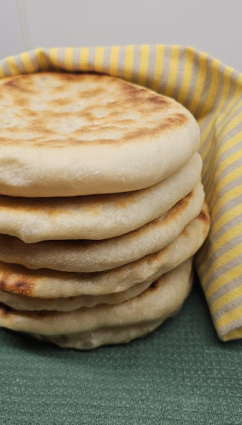
Quick Homemade Bread Ready in Just 10 Minutes
Fresh homemade bread is one of life’s simplest pleasures. The warm aroma, soft texture, and comforting flavor make it a favorite in kitchens around the world. However, many traditional bread recipes require long rising times, kneading, and hours of preparation. That is why quick homemade bread recipes have become so popular for busy families and beginner bakers alike.
If you want soft, delicious bread without waiting all day, this easy 10-minute bread recipe may become one of your favorites. Using a few simple pantry ingredients and minimal preparation, you can create warm homemade bread quickly and conveniently.
In this article, you will learn how to make fast homemade bread, ingredient variations, cooking tips, serving ideas, and ways to customize the recipe for different tastes and dietary preferences.
Why Quick Bread Recipes Are So Popular
Quick bread recipes save time while still delivering homemade flavor and texture.
Benefits of Fast Homemade Bread
- Minimal preparation time
- No long rising periods
- Beginner-friendly
- Affordable ingredients
- Great for busy schedules
- Fresh bread anytime
These recipes work especially well when you need bread quickly for meals, snacks, or unexpected guests.
What Makes This Bread Quick?
Traditional yeast bread usually requires:
- Kneading
- Fermentation
- Rising time
Quick breads often rely on baking powder or other fast leavening methods instead of long yeast fermentation.
This significantly reduces preparation time.
Basic Ingredients for Quick Homemade Bread
Most quick bread recipes use simple kitchen staples.
Main Ingredients
- 2 cups all-purpose flour
- 1 tablespoon baking powder
- 1 teaspoon salt
- 1 tablespoon sugar
- 3/4 cup milk
- 2 tablespoons olive oil or melted butter
Optional:
- Herbs
- Cheese
- Garlic
- Seeds
Step-by-Step Instructions
Step 1: Prepare the Dry Ingredients
In a large bowl, combine:
- Flour
- Baking powder
- Salt
- Sugar
Mix evenly.
Step 2: Add Wet Ingredients
Pour in:
- Milk
- Olive oil or melted butter
Mix until a soft dough forms.
Avoid overmixing, as this may make the bread dense.
Step 3: Shape the Dough
Lightly flour a surface and shape the dough into:
- Small flat rounds
or - Simple bread rolls
The thinner the bread, the faster it cooks.
Step 4: Cook the Bread
You can cook quick bread several ways.
Skillet Method
Cook in a lightly oiled skillet over medium heat for a few minutes per side until golden brown.
Oven Method
Bake at moderate heat until lightly browned and cooked through.
Why This Recipe Works Well for Beginners
Quick bread recipes are forgiving and simple.
Unlike yeast bread, they usually:
- Require less precision
- Need fewer steps
- Produce reliable results quickly
This makes them ideal for beginner home cooks.
Tips for Soft and Flavorful Bread
Don’t Overmix the Dough
Overmixing may create tough bread.
Mix only until ingredients combine.
Use Fresh Baking Powder
Fresh leavening helps the bread rise properly.
Cook at Moderate Heat
Too much heat may burn the outside before the inside cooks.
Brush With Butter After Cooking
Lightly brushing warm bread with butter adds softness and flavor.
Flavor Variations to Try
Quick homemade bread is highly customizable.
1. Garlic Herb Bread
Add:
- Garlic powder
- Dried oregano
- Basil
- Parsley
This version pairs beautifully with soups and pasta.
2. Cheese Bread
Mix shredded cheese into the dough.
Popular options include:
- Cheddar
- Mozzarella
- Parmesan
3. Whole Wheat Version
Replace part of the flour with whole wheat flour for added fiber and nutty flavor.
4. Sweet Cinnamon Bread
Add:
- Cinnamon
- Honey
- Raisins
Perfect for breakfast or tea time.
5. Seeded Bread
Top with:
- Sesame seeds
- Flaxseeds
- Sunflower seeds
This adds texture and visual appeal.
Best Ways to Serve Quick Bread
Fresh bread works with many meals and snacks.
Delicious Serving Ideas
With Soup
Warm bread pairs perfectly with soup.
Breakfast Toast
Serve with butter, jam, or honey.
Sandwich Bread
Use for quick sandwiches.
Side Dish
Serve alongside pasta, salads, or grilled foods.
Is Homemade Bread Healthier?
Homemade bread allows more control over ingredients.
You can:
- Reduce sodium
- Limit preservatives
- Use whole grains
- Add healthier oils
Balanced portions remain important.
Common Mistakes to Avoid
Using Too Much Flour
Too much flour may create dry bread.
The dough should remain soft.
Overcooking
Cooking too long may dry out the bread.
Skipping Proper Mixing
Uneven mixing may leave dry pockets in the dough.
Cooking on Very High Heat
The outside may burn while the inside stays raw.
How to Store Homemade Bread
Quick bread tastes best fresh but can still be stored properly.
Storage Tips
- Keep in airtight container
- Store at room temperature for 1–2 days
- Refrigerate for slightly longer freshness
Can You Freeze It?
Yes.
Allow the bread to cool fully before freezing.
Freezing Tips
- Wrap tightly
- Freeze in portions
- Reheat gently before serving
Why Fresh Bread Smells So Good
The comforting smell comes from chemical reactions during baking, including browning and caramelization.
Warm bread aroma is often associated with comfort and home cooking.
Budget-Friendly Homemade Bread
Homemade bread is often far more affordable than bakery bread.
Basic ingredients like flour, salt, and milk are:
- Widely available
- Inexpensive
- Easy to store
This makes quick bread an excellent low-cost recipe.
Perfect Occasions for Quick Bread
This recipe works well for:
- Busy weeknights
- Last-minute meals
- Family breakfasts
- Emergency side dishes
- Beginner baking practice
Fast preparation makes it highly versatile.
Can Kids Help Make It?
Yes.
Simple mixing and shaping steps make quick bread recipes family-friendly cooking activities.
Children can help:
- Measure ingredients
- Stir dough
- Shape small bread rounds
Adult supervision is important near heat sources.
Kitchen Tools You May Need
Only basic tools are required.
Helpful Items
- Mixing bowl
- Measuring cups
- Skillet or baking tray
- Spoon or spatula
No special equipment is necessary.
Nutritional Benefits of Homemade Bread
Depending on ingredients, homemade bread may provide:
- Carbohydrates for energy
- Fiber
- Protein
- B vitamins
Whole grain variations can offer additional nutrients.
Frequently Asked Questions
Can I Use Water Instead of Milk?
Yes, though milk often creates softer texture and richer flavor.
Can I Add Yeast?
You can, but yeast breads generally require more time.
Why Is My Bread Dense?
Possible causes include:
- Too much flour
- Overmixing
- Old baking powder
Can I Make It Gluten-Free?
Yes, with suitable gluten-free flour blends.
Final Thoughts
Quick homemade bread ready in just 10 minutes is a simple, comforting, and practical recipe that anyone can make. With only a handful of ingredients and minimal preparation, you can enjoy warm, fresh bread without long waiting times or complicated techniques.
Whether served with soup, used for sandwiches, or enjoyed with butter and jam, this easy bread recipe is highly versatile and beginner-friendly. By experimenting with herbs, cheese, seeds, or whole grains, you can customize the flavor to suit almost any meal or preference.
Fresh homemade bread does not always require hours in the kitchen — sometimes simple recipes create the most satisfying results.