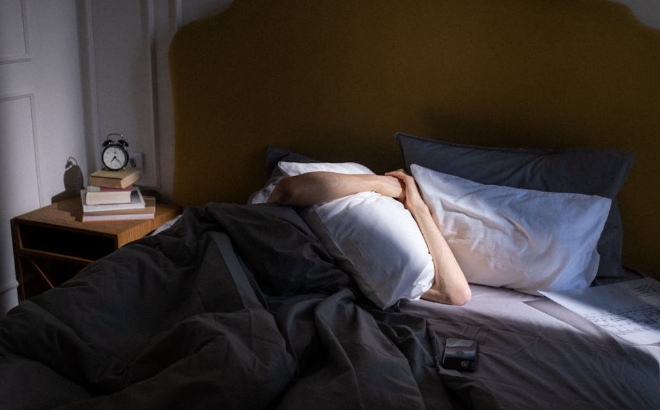
Doctors Warn: This Nighttime Habit Can Be Dangerous
Many nighttime habits seem harmless, but some may quietly affect your health, sleep quality, and overall well-being. Doctors and sleep experts increasingly warn that certain late-night routines — especially those repeated consistently over time — may contribute to fatigue, heart strain, poor mental focus, and long-term health concerns.
One of the most common and concerning nighttime habits is regularly staying awake far too late while using phones, tablets, televisions, or other bright screens in bed. Combined with poor sleep schedules and insufficient rest, this habit may negatively affect both physical and mental health.
While occasional late nights are normal, chronic sleep disruption may place significant stress on the body over time.
In this article, we explore why unhealthy nighttime habits can become dangerous, the effects of poor sleep, warning signs to watch for, and healthier evening routines that may support better rest.
Why Sleep Is So Important
Sleep is not simply “downtime” for the body.
During sleep, the body works to:
- Restore energy
- Repair tissues
- Support brain function
- Balance hormones
- Strengthen immune function
- Regulate metabolism
Consistently poor sleep may affect nearly every major body system.
The Common Nighttime Habit Experts Warn About
One frequently discussed concern is excessive screen use late at night combined with insufficient sleep.
Examples include:
- Scrolling social media for hours
- Watching videos late into the night
- Gaming excessively before bed
- Falling asleep with screens active
These habits may interfere with the body’s natural sleep cycle.
How Blue Light Affects Sleep
Phones, tablets, and televisions emit blue light, which can affect melatonin production.
Melatonin is the hormone that helps regulate sleep.
Too much light exposure late at night may:
- Delay sleepiness
- Reduce sleep quality
- Increase nighttime alertness
- Make it harder to fall asleep
Health Risks Linked to Poor Sleep Habits
Chronic sleep deprivation may contribute to several health concerns over time.
Possible Effects Include
- Fatigue
- Poor concentration
- Mood changes
- Increased stress
- Reduced immune function
- Weight gain
- Elevated blood pressure
Long-term sleep problems may also affect heart and metabolic health.
Sleep and Heart Health
Poor sleep habits may influence cardiovascular health.
Research suggests insufficient sleep may be associated with:
- Higher stress hormone levels
- Increased blood pressure
- Heart strain
- Inflammation
Healthy sleep patterns support overall cardiovascular wellness.
Mental Health and Sleep
Sleep and emotional well-being are closely connected.
Lack of quality sleep may contribute to:
- Irritability
- Anxiety
- Difficulty concentrating
- Low mood
- Mental fatigue
Improving sleep habits often supports better daily functioning.
Warning Signs Your Nighttime Routine May Be Unhealthy
Some signs of poor nighttime habits include:
- Difficulty falling asleep
- Frequent nighttime waking
- Feeling exhausted in the morning
- Daytime sleepiness
- Heavy caffeine dependence
- Brain fog
- Mood swings
Persistent sleep problems should not be ignored.
The Risks of Sleeping Too Little
Adults generally need consistent, quality sleep for proper recovery.
Regularly sleeping too little may affect:
- Memory
- Focus
- Reaction time
- Hormonal balance
- Appetite regulation
Sleep deprivation can also increase accident risk due to reduced alertness.
Late-Night Eating Habits
Eating heavy meals close to bedtime may also interfere with sleep quality.
Possible Problems
- Acid reflux
- Indigestion
- Restlessness
- Poor sleep comfort
Lighter evening meals may support more restful sleep.
Alcohol and Sleep Quality
Some people believe alcohol improves sleep because it causes drowsiness.
However, alcohol may:
- Disrupt deep sleep
- Increase nighttime waking
- Reduce sleep quality
- Worsen snoring
Sleep may feel less refreshing after drinking alcohol late at night.
The Connection Between Sleep and Weight
Poor sleep may influence hormones involved in appetite and cravings.
Sleep disruption may contribute to:
- Increased hunger
- Late-night snacking
- Reduced energy for exercise
Balanced sleep supports healthier lifestyle habits overall.
Why Consistent Sleep Schedules Matter
Going to bed and waking up at similar times each day helps regulate the body’s internal clock.
Benefits of Consistency
- Easier sleep onset
- Better sleep quality
- Improved daytime energy
- More stable mood
Even small improvements in consistency may help.
Healthier Nighttime Habits
Simple evening routines may improve sleep quality naturally.
1. Reduce Screen Time Before Bed
Try limiting screen exposure 30–60 minutes before sleeping.
Instead, consider:
- Reading
- Stretching
- Relaxation exercises
- Listening to calm music
2. Create a Comfortable Sleep Environment
A comfortable bedroom may support deeper rest.
Helpful Conditions
- Cool temperature
- Dark room
- Quiet environment
- Comfortable mattress and pillows
3. Avoid Excessive Caffeine Late in the Day
Caffeine may remain in the body for several hours.
Reducing evening caffeine intake may improve sleep quality.
4. Practice Relaxation Techniques
Relaxation habits may help calm the nervous system.
Examples include:
- Deep breathing
- Meditation
- Journaling
- Gentle stretching
5. Keep Phones Away From the Bed
Keeping devices farther away may reduce the temptation to scroll late at night.
Some people use:
- Traditional alarm clocks
- Charging stations outside the bedroom
Sleep Disorders That Should Not Be Ignored
Some sleep issues may require medical evaluation.
Important Conditions Include
Sleep apnea
A condition involving repeated breathing interruptions during sleep.
Insomnia
Persistent trouble falling or staying asleep.
Symptoms That May Require Medical Attention
Speak with a healthcare professional if you experience:
- Severe daytime fatigue
- Loud snoring
- Breathing pauses during sleep
- Ongoing insomnia
- Morning headaches
- Difficulty functioning during the day
Persistent symptoms deserve professional evaluation.
Common Sleep Myths
Myth 1: You Can Fully “Catch Up” on Sleep Later
Consistent healthy sleep is generally more beneficial than occasional recovery sleep.
Myth 2: Watching TV Helps Everyone Relax
For some people, screens may actually delay sleep.
Myth 3: Older Adults Need Very Little Sleep
Sleep needs change slightly with age, but adequate rest remains important.
Myth 4: Sleeping Pills Solve All Sleep Problems
Long-term sleep health often also requires healthy habits and medical guidance when needed.
Healthy Evening Routine Example
A simple calming nighttime routine might include:
- Light dinner
- Reduced screen time
- Warm shower
- Reading quietly
- Relaxation breathing
- Consistent bedtime
Small routines often become powerful habits over time.
The Importance of Long-Term Sleep Health
Quality sleep supports:
- Brain health
- Heart function
- Immune system performance
- Emotional balance
- Physical recovery
Protecting sleep is an important part of overall wellness.
Final Thoughts
Doctors and sleep experts continue to warn that unhealthy nighttime habits — especially excessive late-night screen use and chronic sleep deprivation — may negatively affect both short-term and long-term health.
Poor sleep may contribute to fatigue, mood changes, reduced concentration, increased stress, and possible cardiovascular strain over time. Fortunately, healthier routines such as reducing screen exposure, maintaining a consistent sleep schedule, improving sleep environments, and practicing relaxation techniques may support better rest naturally.
Good sleep is not a luxury — it is an essential part of protecting physical and mental well-being. Small nightly changes today may lead to healthier, more restorative sleep in the future.